 +1 ( 877 ) 255-1022
Aluminum vs. Fiber Cement: Which Siding Is Better?
Nov 5, 2026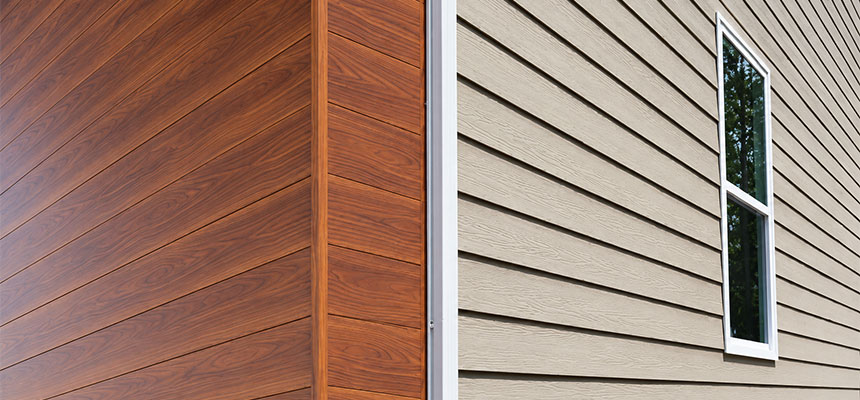
Aluminum and fiber cement are both widely used for exterior building siding projects, but they are very different materials with distinct strengths and characteristics. Aluminum is a lightweight metal that offers non-combustible performance, while fiber cement is a cement-based composite also known for its fire-resistant properties. When choosing exterior siding, the material needs to withstand moisture, impact, temperature fluctuations, and everyday outdoor exposure while maintaining long-term aesthetic appeal and manageable upkeep.
So the question is: which one should you go for: aluminum or fiber cement? The answer depends on how the two materials differ in fire performance, durability, maintenance, and overall performance.
How Do They Compare?
Fire Resistance
- Aluminum: Earns a Class A fire rating under ASTM E84 with a flame-spread index of 25 or less. It does not burn, though it can lose structural strength and eventually melt at extremely high temperatures.
- Fiber Cement: Also achieves a Class A fire rating and is made primarily from cement-based materials that do not readily ignite or contribute fuel to a fire. Certain fiber-cement products are classified as non-combustible under ASTM E136.
Note: Fire performance can also be influenced by the specific protective coatings, installation methods, and overall wall assembly.
Durability
- Aluminum: Highly resistant to moisture, insects, and everyday outdoor weathering. It will not rot or crack from normal thermal expansion and contraction. However, sharp or heavy impacts can dent the surface or mar the finish. Its average lifespan ranges from 30 to over 40 years.
- Fiber Cement: Resists rot and insect damage exceptionally well, but its rigid cement-based surface can chip or crack upon strong impact. Joints and cut edges require precise sealing during installation to prevent moisture penetration. Its average lifespan is typically 50 to 100 years when properly installed and maintained.
For long-term durability, the main difference still comes down to the type of damage each material is likely to experience and how much maintenance you need to keep it in good condition.
Maintenance
- Aluminum: Exceptionally low maintenance. It does not require regular painting, will not rot, and does not attract pests. Routine washing with water and mild soap is usually sufficient to remove dirt and grime. Scratches in the finish can be touched up if needed.
- Fiber Cement: Requires more ongoing upkeep. Periodic repainting is generally required over time. Homeowners must also routinely inspect joints, edges, and any surface chips or cracks to ensure moisture does not seep into the substrate.
Weather Resistance
- Aluminum: Outstanding performance in harsh Canadian weather conditions, including heavy rain, snow, ice, and frequent freeze-thaw cycles. Because aluminum does not absorb water, it will never warp, swell, or rot due to moisture exposure.
- Fiber Cement: Also handles severe weather well, provided that all cut edges, joints, and potential cracks are properly sealed to prevent water absorption and freeze-thaw damage.
Installation
- Aluminum: Lightweight and easy to handle on the job site, significantly simplifying installation for larger projects. Panels are easy to lift, transport, cut, and position, saving time and labor.
- Fiber Cement: Heavier and more labor-intensive to carry, cut, and install. The brittle boards can easily crack or break if mishandled or dropped, requiring greater care and experienced crews.
For both materials, proper fastening, joint spacing, and installation details are important to achieve the expected performance from the siding.
Cost
- Aluminum: Often provides better overall value and lower lifetime costs due to its simple installation process and minimal ongoing maintenance requirements. Premium custom colors or specialty finishes can increase the initial material cost.
- Fiber Cement: May offer competitive upfront pricing on materials, but total project costs are often higher due to the heavier labor requirements, specialized cutting tools, and long-term maintenance and repainting expenses.
Appearance and Design
- Aluminum: Offers remarkable design versatility. Available in sophisticated wood-grain finishes that mimic natural wood, as well as custom solid colors and metallic finishes for modern architectural styles. It can be installed horizontally, vertically, or diagonally, and comes in multiple profiles including flush, V-groove, and channel.
- Fiber Cement: Provides a solid, traditional look with textures resembling wood siding. Available in popular styles such as lap siding, architectural panels, and shingles, making it well-suited for both traditional and contemporary designs.
Aluminum vs. Fiber Cement Siding: Quick Comparison Summary
| Factors | Aluminum | Fiber Cement |
| Fire Performance | Non-combustible metal (Class A fire-rated). Does not burn, though high heat can cause melting. | Cement-based siding with strong fire resistance; some products classified non-combustible under ASTM E136. |
| Durability | Resists rot, moisture, and insects. Can dent under strong impact. | Resists rot and insects. Can crack or chip from heavy impact. |
| Maintenance | Low maintenance; routine cleaning usually suffices. | Requires periodic repainting and ongoing inspections of joints and edges. |
| Weather Resistance | Does not absorb water; highly reliable against Canadian rain, snow, and freeze-thaw cycles. | Performs well outdoors when properly sealed, installed, and maintained. |
| Installation | Lightweight, easy to handle, and flexible (horizontal, vertical, diagonal). | Heavier boards require more effort and care during cutting and placement. |
| Design | Wood-grain, solid, and metallic finishes with flush, V-groove, and channel profiles. | Lap siding, shingles, and panels in diverse colors and textures. |
| Repair | Dents or finish scuffs may require touch-ups depending on severity. | Damaged, cracked, or chipped boards often require patching or replacement. |
| Cost | Excellent lifetime value with lower long-term maintenance and installation costs. | Competitive material costs upfront, with higher labor and ongoing upkeep expenses. |
Aluminum vs. Fiber Cement: Which One Should You Choose?
When comparing these two exterior options, the right choice depends on your project goals. Fiber cement offers a classic, traditional aesthetic and heavy-duty cement construction, whereas aluminum delivers the warm look of natural wood without the upkeep, outstanding lightweight handling, and superior design flexibility.
- Choose aluminum if you prioritize low maintenance, exceptional long-term durability, moisture resistance, and versatile modern profiles. Aluminum with advanced wood-grain finishes gives you the natural warmth of timber without the laborious upkeep.
- Choose fiber cement if you prefer a traditional cementitious texture and are prepared for scheduled repainting and ongoing joint maintenance over the years.
The Luxyclad Advantage
For projects that demand uncompromised durability, sleek aesthetics, and architectural flexibility, Luxyclad delivers premium 2 mm extruded aluminum cladding featuring clean flush, V-groove, and channel profiles. Install panels horizontally, vertically, or diagonally to achieve your exact design vision, and enjoy decades of worry-free performance backed by routine cleaning. Choose from our extensive selection of realistic wood-grain finishes, sophisticated solid colors, and striking metallic effects.
Frequently Asked Questions
- Is aluminum siding more fire-resistant than fiber cement?
Both materials feature excellent fire-resistant properties and achieve Class A fire ratings. Aluminum does not burn, though extreme heat can cause it to lose structural strength or melt. Certain fiber-cement products are classified as non-combustible under ASTM E136. Always review the specific fire ratings and wall assembly requirements for your project. - Is aluminum siding cheaper than fiber cement?
Aluminum generally provides superior cost-efficiency over time because its lightweight nature simplifies installation and it requires virtually no ongoing maintenance. While initial material costs can vary based on custom finishes, factoring in labor, upkeep, and repairs often makes aluminum more economical in the long run. - Which siding needs less maintenance, aluminum or fiber cement?
Aluminum requires significantly less maintenance. Routine washing to remove environmental buildup is all that is typically needed, and most finishes do not require repainting. In contrast, fiber cement requires periodic repainting and close monitoring of joints, cut edges, and surface chips. - Which siding is better for Canadian weather, aluminum or fiber cement?
Both materials perform well in Canadian climates when correctly installed. However, aluminum has an inherent advantage because it is non-porous and does not absorb water, ensuring it will never swell, warp, or rot due to heavy rain, snow, or freeze-thaw cycles. - Can aluminum siding look like wood?
Yes! High-quality aluminum siding is available with sophisticated wood-grain finishes that realistically mimic natural timber. You can also select from custom solid colors and metallic finishes, paired with versatile architectural profiles like flush, V-groove, and channel.