 +1 ( 877 ) 255-1022
Fire-Resistant Siding: What Homeowners and Building Owners Need to Know
Sep 17, 2026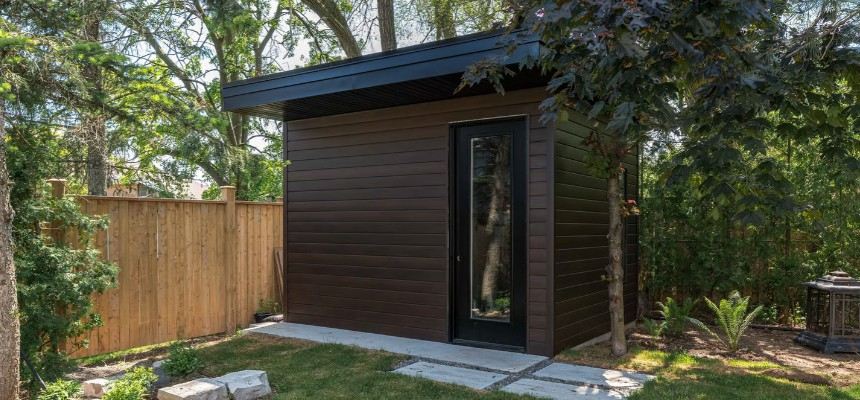
Protecting your home from potential fire hazards should always be your main priority. One effective thing you can do is choose materials that can prevent the spread of flames, such as fire-resistant siding.
This siding resists the spread of flames, which helps your family to have crucial moments to evacuate and call for emergency services. It further improves your home’s safety and longevity for the structure.
In this blog post, we’ll shed light on what exactly fire-resistant siding is, what it actually does, and how it saves your property from fire incidents. We’ll also share how to personalize your siding to match it with your home exteriors.
What is a Fire-Resistant Siding?
Fire-resistant siding is an exterior wall covering that is designed to resist ignition, slow flame spread, and withstand high, radiant heat during a fire. It’s generally made of metal, fiber cement, or various other fire-resistant materials. It reduces the chance of siding ignition during a fire incident.
The siding’s effectiveness depends on the material you choose, installation quality, joints, and the home’s overall condition. Unlike combustible siding, non-combustible siding helps you stay prepared for any fire incident like a wildfire.
When you choose a fire-resistant siding system, you’ll be able to ensure proper protection from fire. However, it is still important to have other safety measures in place to avoid any mishap.
Types of Fire-Resistant Siding
Common types of fire-resistant siding include:
- Aluminum Profiles: It is a lightweight, non-combustible exterior material that does not readily ignite when exposed to flames. It helps reduce the amount of combustible materials on a building’s exterior and ensures that your property is prepared to handle wildfire risks when combined with appropriate construction and installation processes.
- Fiber Cement Siding: It’s made from cement, sand, and cellulose fibers. This siding resists ignition and often achieves a Class A fire rating.
- Brick and Stone: They are non-combustible materials that offer strong resistance to flames, radiant heat, and direct fire exposure.
- Fire-Retardant Treated Materials: Fire-retardant treatments reduce ignition and flame spread, although performance depends on the product and application.
Is Aluminum Siding Fire Resistant?
Aluminum siding is considered a fire-resistant exterior siding option. As a material, aluminum does not easily ignite or support combustion and its spread. Compared to real wood siding, it won’t act as fuel when exposed to flames.
Aluminum also has a high melting point, which allows it to withstand considerable heat before losing its structural form. During a fire, the aluminum profiles provide an additional protective layer between the flames and the wall assembly built underneath.
However, fire resistance also depends on the complete wall system apart from the cladding material used. The insulation, sheathing, framing, and installation methods can all affect how the assembly performs during a fire.
There are chances of aluminum profiles deforming or melting under extreme temperatures. However, it doesn’t burn to ashes. For better protection, building owners should choose properly tested aluminum cladding systems and follow local building codes & installation requirements.
Factors That Affect a Fire-Resistant Siding’s Performance
Coating: The type and thickness of the coating can affect the way the siding reacts to heat. You should always choose fire-rated finishes according to your building’s wall system.
Substrate: The material beneath the aluminum profiles offers structural support and influences heat transfer and fire resistance.
Insulation: Some insulation materials are known to resist heat effectively, while others may cause fire to spread if you don’t properly select or install the siding system.
Sheathing: Sheathing forms an essential protective layer behind the siding. Its fire resistance is helpful in limiting heat and flame movement into the wall.
Air/Water Barriers: These membranes protect your walls against moisture and air movement. However, their fire-resistance characteristics vary by product and installation.
Rainscreen Cavities: Open cavities allow air and heat to move behind the siding. Proper fire-stopping measures can control this movement.
Attachment Systems: Clips, fasteners, brackets, and other attachments must remain secure under heat and perform as specified in the tested assembly.
Complete Wall Assembly: Fire performance depends on how all these components work together. A complete, tested wall assembly offers a more accurate indication of fire resistance compared to the aluminum profiles alone.
Fire Ratings and Standards for Aluminum Sidings
ASTM E84 Surface Burning Test
ASTM E84 measures flame spread and smoke development. Building materials may receive Class A, B, or C classification based on their flame-spread index. Aluminum itself controls the spread of flames, but it also needs the right kind of durable architectural coatings to ensure overall fire resistance.
CAN/ULC-S102
This Canadian standard analyzes the surface burning characteristics of building materials and assemblies. It reports flame-spread and smoke-developed indices, making it directly relevant for architectural aluminum profiles installed in Canadian buildings.
NFPA 285
It’s a full-scale test that evaluates fire propagation through exterior wall assemblies containing combustible components. It considers the complete wall assembly, not the aluminum cladding alone.
CAN/ULC-S134
This standard evaluates the fire performance of exterior wall assemblies. A tested aluminum cladding system should be installed according to its approved design.
Fire-Resistance Ratings
A wall might require a specific fire-resistance period, like one hour, depending on the building code and type of construction. This rating applies to the complete wall assembly, not the aluminum cladding alone.
Insulation, sheathing, barriers, fasteners, joints, and rainscreen cavities can all influence fire performance. Hence, it is important to choose cladding that not only has a favorable material rating, but also forms an entire wall assembly with the necessary fire rating.
| Class A Fire Rating
It is the highest level of fire resistance classification a building material can receive. It displays strong fire resistance and slow spread of flames throughout the building. |
How Fireproof Sidings are Helpful in Wildfire-Prone Areas?
Homes and commercial buildings located near forests, grasslands, or other areas with frequent wildfire activity benefit from exterior materials that don’t easily catch fire. Fire-resistant cladding, including properly specified aluminum profiles, offers an additional layer of protection.
Reduced Ignition Risk: Aluminum does not easily ignite or support combustion. It reduces the chance of the exterior cladding becoming fuel for fire when exposed to wildfire embers and radiant heat.
Limited Exterior Fire Spread: Non-combustible siding material prevents flames from easily traveling across the building face.
Handles Radiant Heat: Wildfires expose buildings to intense heat even when flames don’t reach them directly. Fire-resistant aluminum cladding can withstand this exposure far better than combustible cladding materials.
Protecting the Wall System: When you combine fireproof cladding with suitable sheathing, insulation, barriers, and fire-stopping, the profiles become part of a highly resistant exterior wall assembly.
Resisting Embers: Windblown embers can travel ahead of a wildfire and enter small gaps or vulnerable areas. Properly installed profiles reduce exterior vulnerabilities around wall surfaces.
Fire Performance Comparison Between Aluminum Sidings and Other Materials
When designing or renovating a building exposed to wildfire risk, considering fire performance is critical. Different cladding materials respond to flames, heat, and embers in distinct ways:
- Aluminum Profiles: Aluminum is non-combustible. It does not ignite or provide fuel for a fire, offering strong resistance to direct flame exposure and radiant heat. While extreme temperatures can cause aluminum to soften or deform, it will not burn. Its performance also depends on the coating, substrate, insulation, sheathing, and other wall components.
- Vinyl Siding: Made from PVC, vinyl is combustible. It softs, deforms, and melts quickly when exposed to high temperatures, creating greater heat sensitivity compared to aluminum.
- Real Wood Siding: Wood is combustible and ignites when exposed to flame or sufficient heat. Fire-retardant treatments can enhance performance, but they do not make natural wood non-combustible.
- Fiber Cement Siding: Made of cement, cellulose fibers, and mineral fillers, fiber cement offers good resistance to fire and heat, and does not easily ignite.
How to Choose the Right Fire-Resistant Siding?
Here are essential factors to consider when selecting fire-resistant cladding for your building exterior:
- Check the siding’s fire classification and applicable testing standards (e.g., CAN/ULC-S102, ASTM E84).
- Consider how materials perform when exposed to intense radiant heat.
- Look for engineered profile designs that minimize gaps where embers could enter.
- Verify the performance of the cladding in conjunction with the underlying wall components.
- Ensure the architectural powder coating is rated for long-term exterior performance.
Choose Your Fire-Resistant Siding Wisely With Luxyclad
Having suitable fireproof cladding is critical for any property. Not only does it lower the chances of structural fire damage, but it also allows crucial time to ensure safety and evacuate the premises.
Luxyclad delivers non-combustible, fire-resistant extruded aluminum profiles engineered to slow the spread of flames and protect building exteriors. Our architectural profiles feature durable wood-grain finishes that deliver the rich visual aesthetic of natural wood without the high fire risk or heavy maintenance.
Contact Luxyclad today to learn more about our non-combustible architectural aluminum profiles and secure long-lasting protection for your project.
Frequently Asked Questions
Are Luxyclad aluminum profiles fire-resistant?
Yes, Luxyclad extruded aluminum profiles are non-combustible, fireproof, and do not easily ignite or support combustion.
Can Luxyclad fire-resistant profiles prevent wildfire damage?
While Luxyclad profiles significantly lower exterior ignition risks, a complete, properly engineered wall assembly is required for comprehensive wildfire protection.
Which Siding materials are considered non-combustible or fire-resistant?
Non-combustible and fire-resistant materials include extruded aluminum, fiber cement, brick, and stone.
How Does Fire-Resistant Siding Help During Wildfires?
They reduce the risk of exterior ignition from direct flames, intense radiant heat, and windblown airborne embers.
What Affects the Fire Performance of Siding?
The substrate materials, powder coatings, installation quality, underlying insulation, sheathing barriers, joint sealing, and complete wall assembly design all influence overall performance.