 +1 ( 877 ) 255-1022
Cladding vs Siding: What’s the Difference and Which Exterior System Is Right for Your Project?
Jul 23, 2026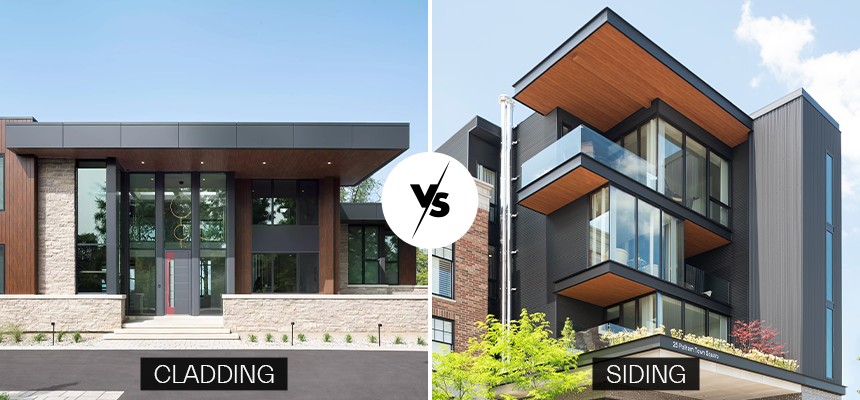
Cladding and siding are two terms that appear throughout construction specifications, manufacturer literature, and contractor conversations, often used as though they are interchangeable. In some contexts they are. In others, the distinction between them carries real implications for material selection, building performance, and project cost. Understanding where the two terms align and where they diverge is a practical starting point for anyone making exterior system decisions.<
Is Cladding the Same as Siding?
Not always, and that is the honest answer.
Spend enough time on manufacturer websites or in conversations with builders and you will notice that neither industry nor trade has fully agreed on where one term ends and the other begins. The overlap is real, but so is the distinction.
- Cladding is the wider of the two terms. It covers any exterior layer installed over a building structure to shield it from weather while contributing to how the building looks and performs over time. The material can be almost anything, aluminum panels, fibre cement, stone, brick, timber, or composite systems. The purpose stays the same regardless of what the layer is made from.
- Siding sits within that definition. It is a type of cladding, but one that has become closely associated with residential construction, particularly in North America. When someone is talking about their house exterior, they say siding. When an architect is specifying a commercial facade, they say cladding. Same general concept, different vocabulary depending on the context and who is in the room.
That is the clearest way to hold the two terms apart: siding is a form of cladding, but cladding as a category goes well beyond what most people picture when they hear the word siding. A residential vinyl or fibre cement installation is siding. A rainscreen aluminum panel system on a commercial building is cladding. Both are exterior layers doing a similar protective job, just at different scales and with different performance expectations attached.
What is Exterior Cladding?
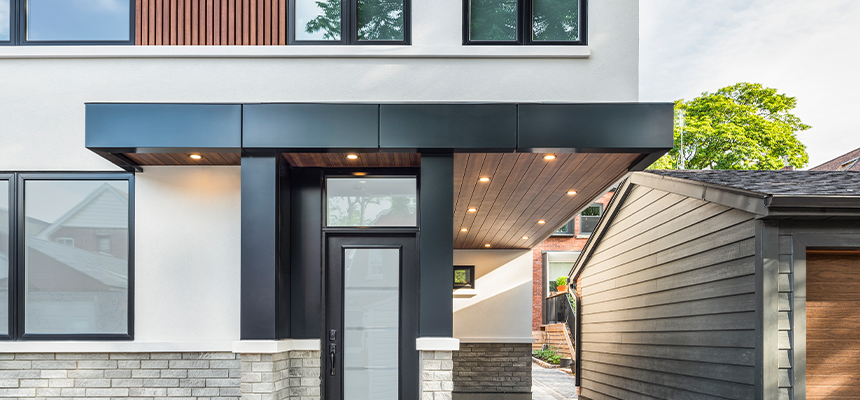
Exterior cladding is the outer layer installed over a building’s structural walls. Its job is practical before it is aesthetic. It shields the structure from rain, wind, UV exposure, and temperature fluctuation while forming part of the building envelope that manages moisture, ventilation, and energy performance over the long term.
Cladding does much more than give a building its finished look. It acts as the first line of defence against rain, wind, UV exposure, and other weather conditions that can gradually wear down the structure over time. Depending on the system, it may also help with moisture management, improve airflow behind the façade, and contribute to the building’s overall performance.
That’s why you’ll see cladding used on everything from office buildings and schools to apartment complexes, retail spaces, and custom homes. The right choice isn’t just about appearance. It comes down to what the building needs, the environment it’s in, and how it’s expected to perform over the years.
What are the common types of cladding materials?
Exterior cladding is available in several materials, each with its own strengths and ideal applications.
- Aluminum is lightweight, corrosion-resistant, and well-suited to modern commercial and architectural applications where clean lines and long-term durability are priorities.
- Fibre cement offers a similar durability profile with the added ability to replicate the appearance of timber or masonry at a lower maintenance cost.
- Brick remains a strong choice where a traditional aesthetic and proven longevity are the brief.
- Stone delivers natural character and a long lifespan but carries higher material and installation costs that need to be justified by the project scope.
- High-pressure laminate panels are common in contemporary commercial builds where impact resistance and design flexibility are both required.
- Composite panels suit applications where a clean, modern finish and versatility across facade configurations matter.
- Timber brings warmth and natural character to a project, but requires more consistent maintenance than most other options to hold its appearance over time.
No single material is the right answer for every project. The decision comes down to the intersection of building purpose, local climate conditions, maintenance expectations, design intent, and budget. And that’s why experienced architects and specifiers evaluate the full cladding system rather than the material in isolation.
What is Siding?
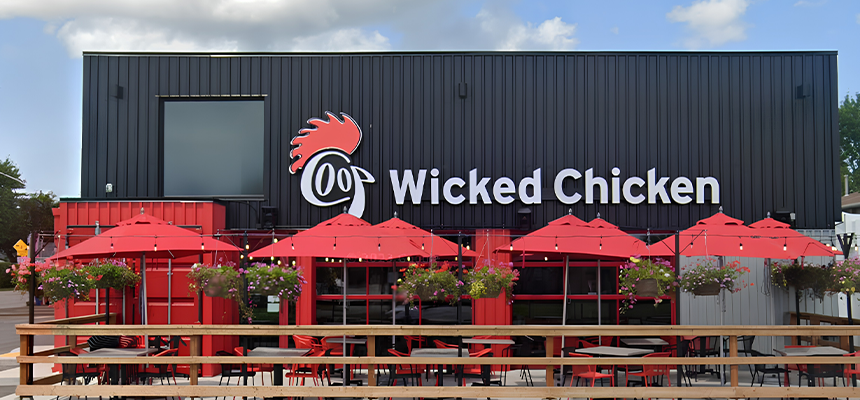
Siding is an exterior wall covering that’s most commonly used on residential buildings. Like cladding, its job is to protect the structure from the elements while giving the home a finished appearance. It’s installed over the exterior walls and acts as a protective barrier against rain, wind, and everyday weather exposure.
The main difference is how the term is used. In residential construction, you’ll often hear siding used to describe the exterior finish of a home. In commercial and architectural projects, cladding is the term you’ll come across more often. That’s why the two are frequently confused, even though they’re used in slightly different contexts.
What are the common types of siding materials?
Siding is available in several materials, each offering its own balance of appearance, durability, maintenance, and cost.
- Vinyl is one of the most popular choices for homes because it’s affordable, lightweight, and easy to maintain.
- Fiber Cement offers the look of wood with added durability and resistance to moisture, insects, and fire.
- Aluminum is a low-maintenance option that resists rust and performs well in a variety of weather conditions.
- Engineered Wood is designed to provide the natural appearance of wood while improving durability and reducing maintenance.
- Natural Wood is chosen for its timeless character and curb appeal, though it typically requires regular upkeep to maintain its appearance.
The right choice of siding material depends on the style of the home you’d prefer, the local climate, maintenance expectations, and your budget. Each material has its strengths, so it’s worth looking beyond appearance before you make a decision.
Cladding Vs. Siding: Quick Comparison
We’ve looked at what each one is. Now let’s put them side by side. This quick comparison highlights the key differences so you can get a clearer picture of which exterior system may be a better fit for your project.
|
Feature |
Cladding |
Siding |
| Definition | Broad term for any exterior protective layer applied to a building structure | Exterior wall covering primarily used in residential construction |
| Primary Purpose | Protects the building envelope while supporting thermal, moisture, and ventilation performance | Protects exterior walls from weather exposure and provides a finished appearance |
| Common Materials | Aluminum, fibre cement, brick, stone, HPL, composite panels, timber | Vinyl, fibre cement, aluminum, engineered wood, natural wood |
| Typical Applications | Commercial buildings, institutional projects, multi-family developments, and architectural residential projects | Single-family homes, townhouses, light commercial buildings |
| Design Flexibility | High. Wide range of profiles, finishes, colours, and installation systems | Moderate. Tends toward established horizontal or vertical panel configurations |
| Durability | Many systems are engineered for long-term performance in demanding environments | Varies by material. Some options require more frequent maintenance or earlier replacement |
| Maintenance | Aluminum and fibre cement require minimal upkeep. Timber demands more consistent care | Vinyl and aluminum are low maintenance. Natural wood requires regular attention |
| Lifespan | Several decades with correct installation and ongoing maintenance | Varies significantly by material and local environmental conditions |
| Fire Performance | Non-combustible options like aluminum are common where fire requirements are stringent | Fire resistance varies by material. Not all siding products meet commercial fire standards |
| Cost | Higher upfront, particularly for premium materials and architectural systems | Generally more accessible, though costs vary considerably by material |
Key Differences Between Cladding and Siding
The table provides a useful reference point, but the differences between cladding and siding become more meaningful when examined across the criteria that drive real specification and purchasing decisions.
Purpose and Function
Both systems protect a building from weather exposure and contribute to its finished exterior appearance. Cladding, particularly in commercial contexts, is specified as part of a broader building envelope strategy that accounts for moisture management, thermal performance, and long-term durability. Siding operates within a narrower brief, focused on protecting residential exterior walls with manageable maintenance.
Materials
Cladding draws from a wider material pool, including aluminum panels, fibre cement, brick, stone, composite systems, and high-pressure laminate. Residential siding most commonly uses vinyl, fibre cement, aluminum, engineered wood, and natural wood. Where the same material appears in both categories, the product specification, installation system, and performance expectations often differ considerably.
Design Flexibility
Cladding offers considerably more design latitude across panel configurations, surface finishes, textures, and joint details. Siding works within a more established visual language, typically in horizontal or vertical panel formats that suit residential contexts without the same degree of customization.
Installation
Cladding installations, particularly rainscreen systems, involve more detailed planning around structural support, cavity design, and fixing systems. Residential siding installation is generally more straightforward, though proper execution still determines long-term performance regardless of system complexity.
Durability and Lifespan
Durability follows material selection and installation quality, not product category. Aluminum and fibre cement perform consistently well across both, with minimal intervention. Natural wood demands more consistent attention in either application to maintain integrity and appearance over time.
Maintenance
Maintenance requirements follow the material. Aluminum, fibre cement, and vinyl demand very little ongoing attention. Natural wood requires consistent staining, sealing, or refinishing to resist moisture and hold its appearance regardless of whether it is specified as cladding or siding.
Fire Performance
Fire performance is determined by the specific material and wall assembly. Non-combustible aluminum systems are frequently specified in commercial projects with stringent fire requirements. Siding products carry varying fire ratings that should be verified against project compliance requirements before selection.
Sustainability
Longer-lasting materials that require fewer replacements generally carry a lower environmental footprint. Aluminum is consistently recognized for its durability and recyclability, making it a strong choice where sustainability is a formal project consideration.
Cost and Long-Term Value
Residential siding is generally more accessible from an upfront cost perspective. Cladding systems carry higher initial costs driven by material quality and installation complexity. Long-term value depends on durability, maintenance frequency, and expected lifespan rather than purchase price alone. A higher upfront investment in a well-specified system frequently delivers better value over the building’s life than a cheaper alternative requiring earlier replacement.
Which Works Better for Different Building Types
There is no universal answer. The right exterior system depends on the building type, design intent, performance requirements, and budget.
Single-Family Homes: Siding suits most residential homes well, balancing cost, appearance, and maintenance at a scale that makes sense. Cladding becomes the stronger choice when the design brief calls for something more architecturally considered.
Luxury Homes: High-end residential projects demand cladding for its broader material range, finish variety, and ability to create a distinctive exterior that holds its appearance over decades. Siding remains valid where a traditional aesthetic is the intent rather than a contemporary one.
Commercial Buildings: Cladding is the standard specification for commercial projects. Larger scale, higher performance requirements, and greater building envelope complexity make a properly engineered cladding system the appropriate response in most cases.
Multi-Family Developments: Cladding handles the scale of apartment buildings and multi-unit developments better than siding. It delivers design consistency across larger facade areas and the durability that higher-occupancy buildings demand over their lifespan.
Institutional Buildings: Schools, hospitals, and public facilities require durability, low maintenance, and fire performance, which narrows the field considerably. Aluminum cladding and fibre cement appear frequently in these specifications because both materials meet those requirements reliably.
Cost: Cladding vs Siding
Siding is generally the more accessible option upfront, which keeps it popular for residential applications. Cladding systems carry higher initial costs driven by material specification, installation complexity, and design requirements.
Upfront price is only part of the equation. A more durable system that requires less maintenance, fewer repairs, and a longer replacement cycle frequently delivers better value across the building’s lifespan than a cheaper alternative that demands more attention over time.
Why Aluminum Cladding Is a Popular Choice for Modern Buildings
Aluminum has earned its place as one of the most specified exterior materials in modern construction, and the reasons go beyond aesthetics. It performs consistently across demanding environments, suits a wide range of building types, and delivers long-term value that many traditional materials struggle to match.
Lightweight Without Compromising Strength
Despite being significantly lighter than brick, stone, or concrete-based alternatives, aluminum handles the structural and weather demands of exterior cladding without compromise. That weight advantage simplifies installation logistics and reduces the load on the building structure, which matters particularly on larger commercial facades.
Non-Combustible by Nature
Aluminum does not ignite or contribute to flame spread, which makes it a material of choice on projects where fire performance requirements are stringent. As building codes around cladding fire safety have tightened in recent years, this characteristic has become increasingly relevant to specification decisions.
Built-In Corrosion Resistance
Aluminum naturally develops a protective oxide layer that shields it from corrosion without any additional treatment. Combined with quality surface finishes, it holds up reliably across coastal environments, temperature extremes, and sustained moisture exposure, conditions that accelerate deterioration in less resistant materials.
Powder-Coated Finishes
Powder coating adds a durable protective layer while opening up a broad palette of colour options. The finish resists fading, chipping, and weathering over time, which means the building exterior retains its intended appearance with very little intervention across its service life.
Wood-Look Finishes
Premium systems like LUXYCLAD® replicate the timeless warmth and grain texture of natural timber without the ongoing staining, fading, or sealing. Combined with ultra-durable powder-coated matte and custom architectural tones, designers get total aesthetic freedom with zero long-term maintenance.
Long Service Life
A well-specified and correctly installed aluminum cladding system can perform reliably for several decades. The combination of corrosion resistance, durable surface finishes, and structural stability means maintenance requirements stay low and replacement cycles extend well beyond what many alternative materials offer.
Recyclability
Aluminum retains its core properties through the recycling process indefinitely, which distinguishes it from materials that degrade in quality with each cycle. For projects carrying formal sustainability requirements or targeting green building certifications, that recyclability profile is a meaningful advantage at the specification stage.
Which Exterior System Performs Better in Canadian Weather
Canadian weather tests exterior materials harder than most climates. Freezing temperatures, heavy snow, rain, humidity, and significant seasonal temperature swings all place real demands on whatever is covering the building. Both cladding and siding can handle these conditions, but material selection and installation quality determine how well.
Snow and Freeze-Thaw Cycles: Repeated expansion and contraction through seasonal temperature changes stress exterior systems over time. Aluminum cladding and fibre cement both handle these cycles reliably when specified and installed correctly.
Rain and Moisture: Managing moisture before it reaches the building structure depends as much on installation detailing and cavity ventilation as it does on the material itself. A well-executed installation outperforms a poorly installed premium product every time.
UV Exposure: Sustained sunlight exposure affects colour retention and surface appearance over time. High-quality finishes, particularly powder-coated aluminum, resist fading considerably better than standard paint or lower-grade coatings.
Coastal and High-Moisture Environments: Where salt air and elevated humidity are part of the local conditions, corrosion resistance becomes a primary material consideration. Aluminum performs consistently in these environments without the accelerated deterioration that affects less resistant materials.
Factors to Consider Before Choosing
Before you make a decision about your exterior system, take the following factors into consideration:
- Building type: Residential, commercial, and multi-family projects carry different performance and aesthetic requirements.
- Budget: Account for both upfront costs and long-term maintenance expenses.
- Maintenance expectations: Some materials demand considerably more upkeep than others.
- Climate: Local weather conditions directly influence how materials perform over time.
- Design intent: Consider the finish, profile, and architectural character the project calls for.
- Durability requirements: Be realistic about how long the exterior system needs to perform before replacement becomes a consideration.
Choosing the Right Exterior System for Your Project
At the end of the day, both cladding and siding do the same job. The difference is in the details, what the building needs, how long it needs to last, what the budget allows, and what the finished exterior should look like. Get those answers right first, and the choice between the two becomes a straight forward one.
When your architectural vision demands the warmth of wood with the durability of heavy-duty aluminum, LUXYCLAD® delivers. Our Canadian-made, high-performance architectural aluminum cladding and soffit systems feature engineered rainscreen technology designed for extreme weather resistance and zero maintenance.
Whether you’re specifying a commercial development or a modern residential build, our team is here to help.
Contact LUXYCLAD® today to order a sample kit or technical specs for your next project!
Frequently Asked Questions
Is cladding better than siding?
Neither is universally better. The right choice depends on your building type, budget, design goals, and performance requirements.
Can aluminum be used for both cladding and siding?
Yes. Aluminum is used in both systems, though cladding is more common in commercial projects and siding is typically used on homes.
Which lasts longer, cladding or siding?
Lifespan depends on the material and installation quality. Durable materials like aluminum and fiber cement can provide decades of reliable performance.